Swing Jazz

Groovy since the late 1920s

The Birth of Swing

Swing Jazz began in the 1930s in the United states and is known for its strong groove. According to Britannica Swing Jazz was the first jazz idiom that proved commercially successful

Meet the Pioneers

Harry James

Harry James

Known for popularizing Swing, Harry James shaped the sound of the Swing Era.
Duke Ellington

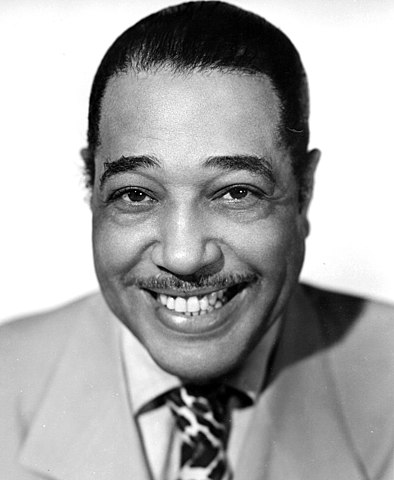
Duke Ellington

Duke Ellington was known as the “King of Jazz”. According to Britannica, Ellington’s music was “infused with a unique range of harmonies and sound colours”

Louis Armstrong

Louis Armstrong

Famous for his voice, trumpet skills, and inventing scatting, Louis Armstrong expanded helped expand the world of jazz.

Soundtrack of Swing

Album Cover

"All or Nothing at All" by Frank Sinatra and Harry James

Shows the amazing aspects of the bands of Jazz

Album Cover

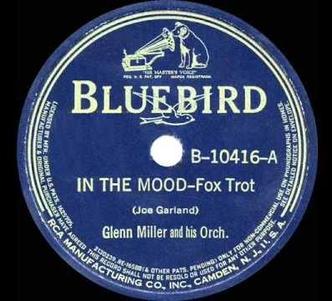
"In the Mood" by Glenn Miller

Helps the listener understand the overall mood and groove of swing

Album Cover

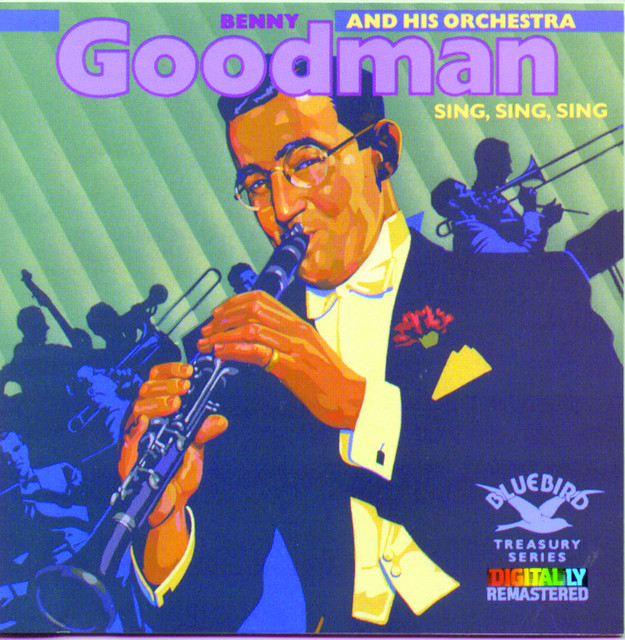
"Sing, Sing, Sing" by Benny Goodman

Showcases the great improvisational part of jazz with the grooviness of Swing

Album Cover

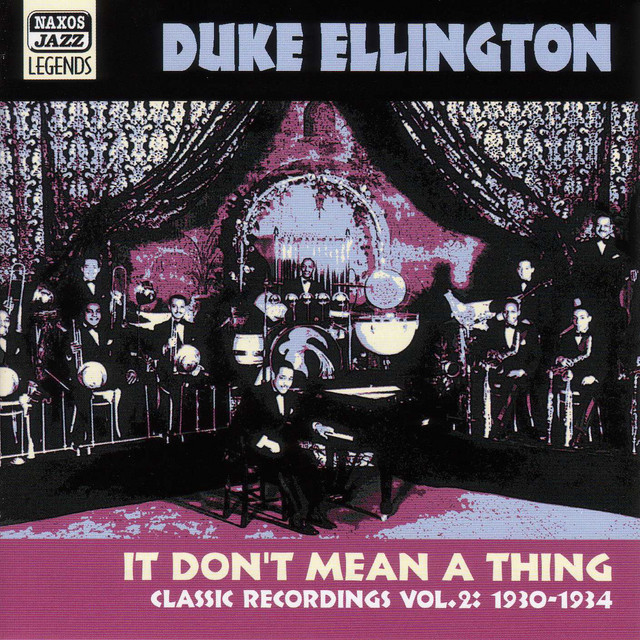
"It Don't Mean A Thing" by Ella Fitzgerald and Duke Ellington

Great example of Swing Jazz that also shows off scatting

Cultural Impact of Swing

The swing era reflected the cultural context of the late 1920s by showing that black people are also people with different thoughts, ideas, and feelings, as the KKK and Jim Crow laws were still dehumanizing black people, and people of African American descent. This era’s music influenced society by being a morale booster during World War II

Fun Facts from the Swing Era

Fact 1

One fun fact about the Swing era is that it helped ease the pain of the Great Depression with its groovy vibe, and ability to make people want to get up and dance.

Fact 2

Another thing I learned while researching Swing is that many current genres you may hear are derived from Jazz.

Fact 3

One more thing about Jazz in general is that it was “born and raised” in the United States.